PAFIX Panel: AI Can Reshape Egyptian Banking, but Only on Clean Data
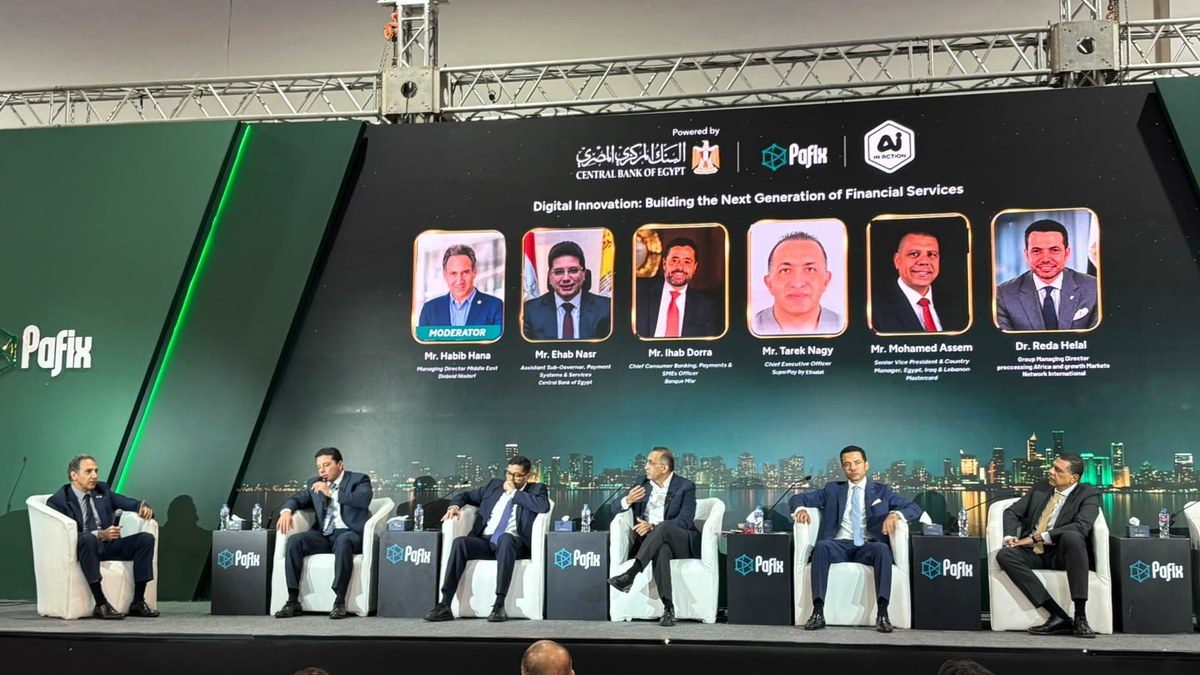
The Central Bank of Egypt, Onebank, I-Score, IDENTIS and IFC discussed at PAFIX how AI is changing customer service, credit scoring, digital identity and the fight against fraud.
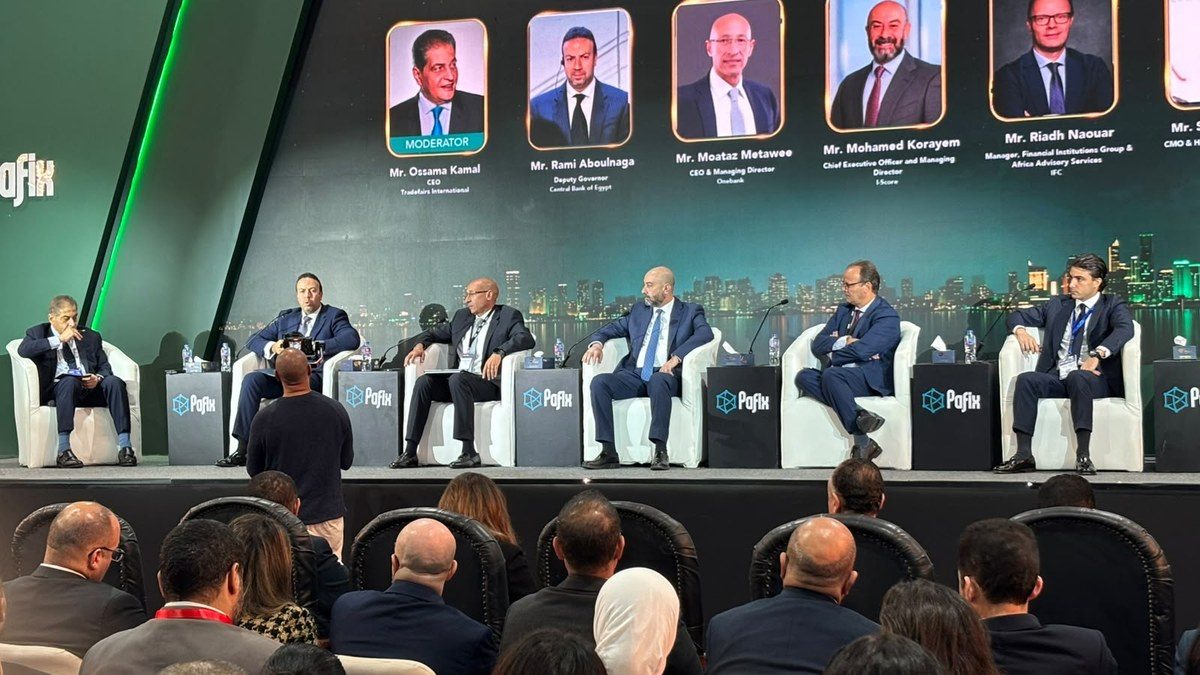
Artificial intelligence can only be as good as the data behind it. That was the starting point of "From Digital Banking to Digital Finance: The AI-Powered Transformation", a PAFIX panel held in Hall 1 on Sunday 8 November. It was moderated by Mr. Ossama Kamal, Chairman of Tradefairs International, the organiser of Cairo ICT 2026.
Mr. Kamal said digital transformation means more than automating procedures. AI cannot work well with disorganised or inaccurate data, so cleaning and updating records has to be a constant effort. He said banks are right to ask customers to update their details regularly, even if some find it a nuisance.
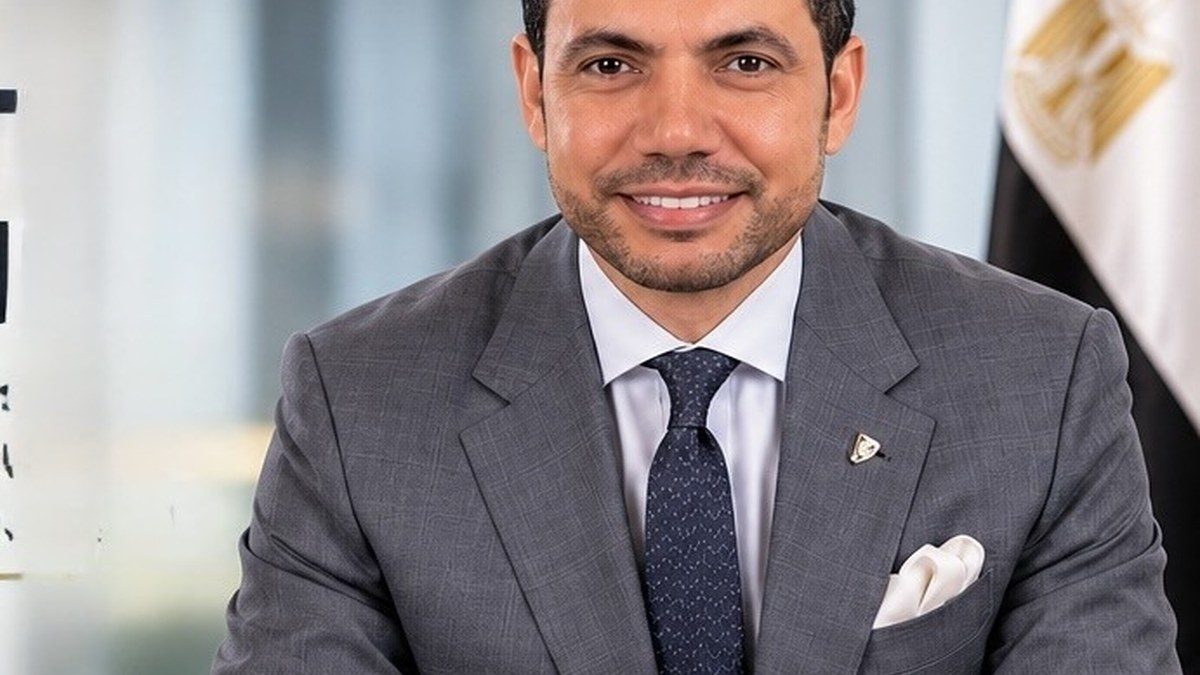
Mr. Rami Aboulnaga, Deputy Governor of the Central Bank of Egypt, said AI and data science help the Central Bank read the economy faster and support monetary policy decisions, particularly on inflation targeting. Because traditional statistics take time to compile, the bank now also draws on alternative indicators. He named four conditions for getting the most from AI in finance: updated regulation and supervision, better data quality, clear policies on the use of technology, and investment in infrastructure and people.
Mr. Moataz Metawee, CEO & Managing Director of Onebank, said AI lets banks study customer behaviour, spot unusual activity and anticipate what each customer needs. A smart voice assistant can handle around 80% to 90% of repeated customer questions, he said. Digital banks are not only for the young: anyone who can use a mobile phone and its apps can benefit.
Mr. Mohamed Korayem, Chief Executive Officer and Managing Director of I-Score, said credit assessment now goes beyond recording late payments to studying financial behaviour and the ability to repay. Modern models take account of life changes such as marriage, children and school fees. Higher commitments do not mean lower creditworthiness, he said, as long as the customer keeps paying on time within their income. Machine learning makes it possible to analyse data at a scale manual review cannot reach.
Mr. Stefano Camilleri, CMO & Head of Business Development at IDENTIS Group, warned that digital identity systems built on closed standards controlled by one company raise costs and make it hard for governments to change suppliers. He argued for open international standards from bodies such as ISO and W3C, and said making sure AI agents act safely is one of the next big tests for organisations.
Mr. Riadh Naouar, Manager, Financial Institutions Group & Africa Advisory Services at IFC, said the organisation plans a large programme in Egypt to strengthen digital financial literacy, with details to follow. Fraud is not new, he said, and transparency is where the response begins. IFC's credit bureau work aims to give every customer at least one free credit report a year and the right to have errors corrected. In his words, fraud "is not a barrier" to fintech or AI, but it does demand the right tools and frameworks.
Photo: ICT Business.