Network International: AI Is Reshaping Payments, Egypt Central to Its Plans
In his fifth year as a Cairo ICT and PAFIX sponsor, Dr. Reda Helal of Network International set out how AI fraud tools, tokenisation and new partnerships are shaping its work in Egypt.
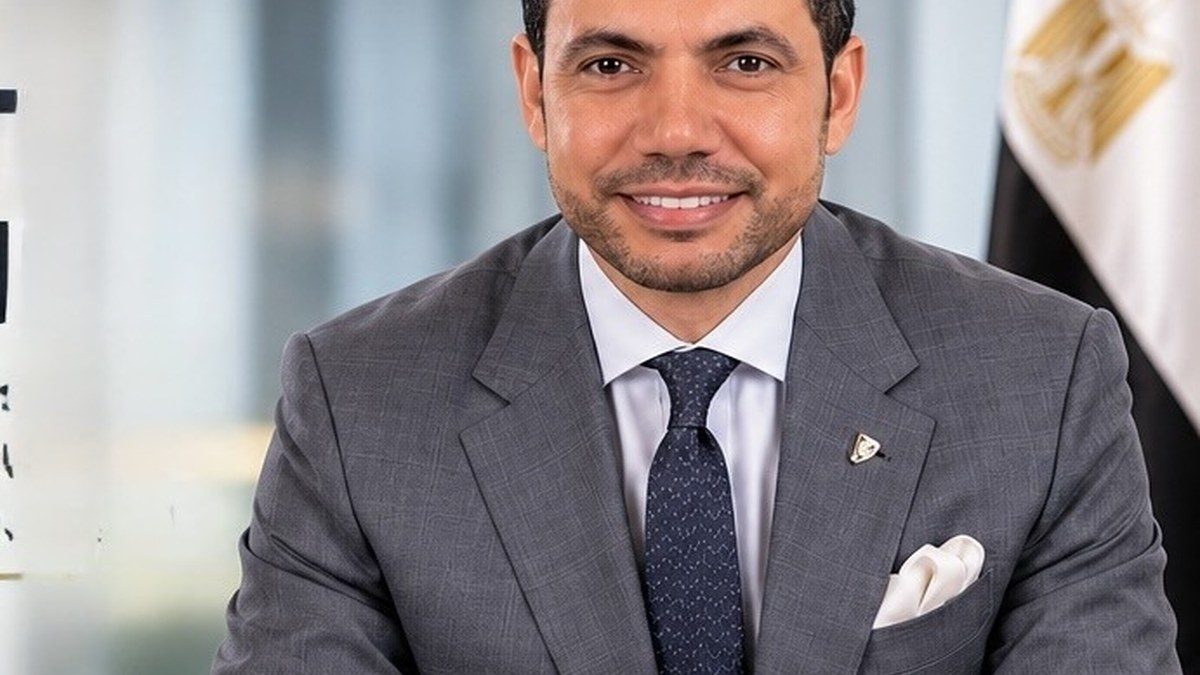
Artificial intelligence matters in payments only when it solves a real problem, Dr. Reda Helal, Managing Director & Co-Head of Processing, Africa at Network International, said in an interview with ICT Business published on 10 November. That means catching fraud faster, approving more genuine transactions and helping banks make better decisions from payment data.
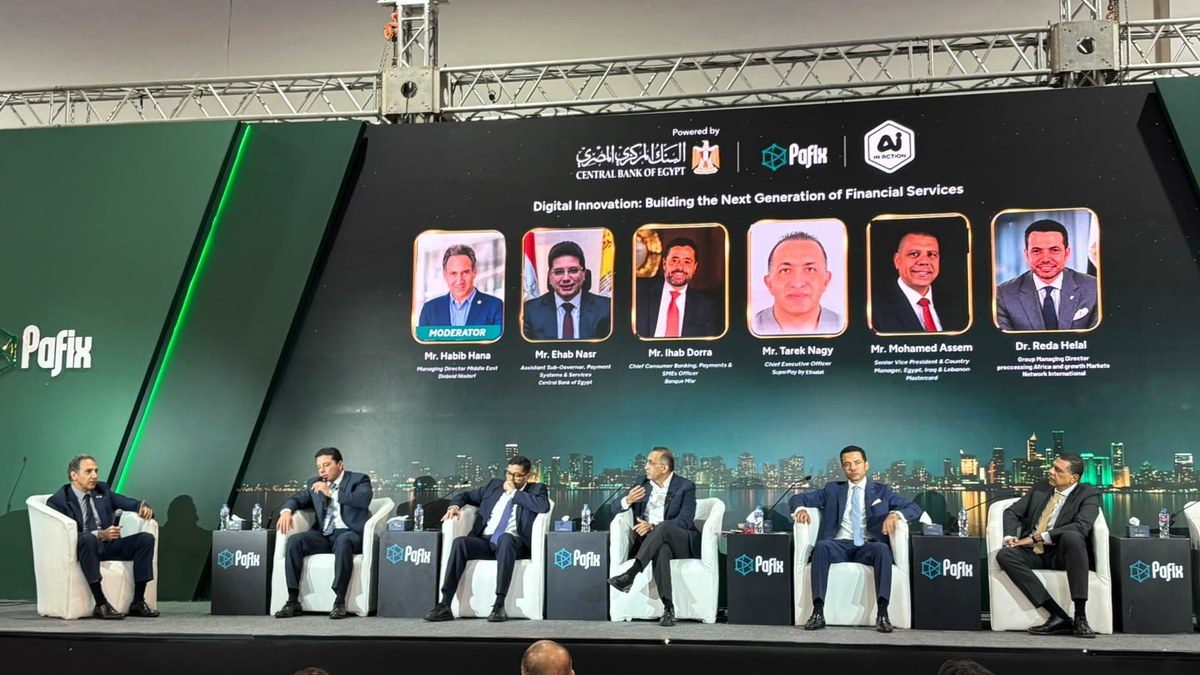
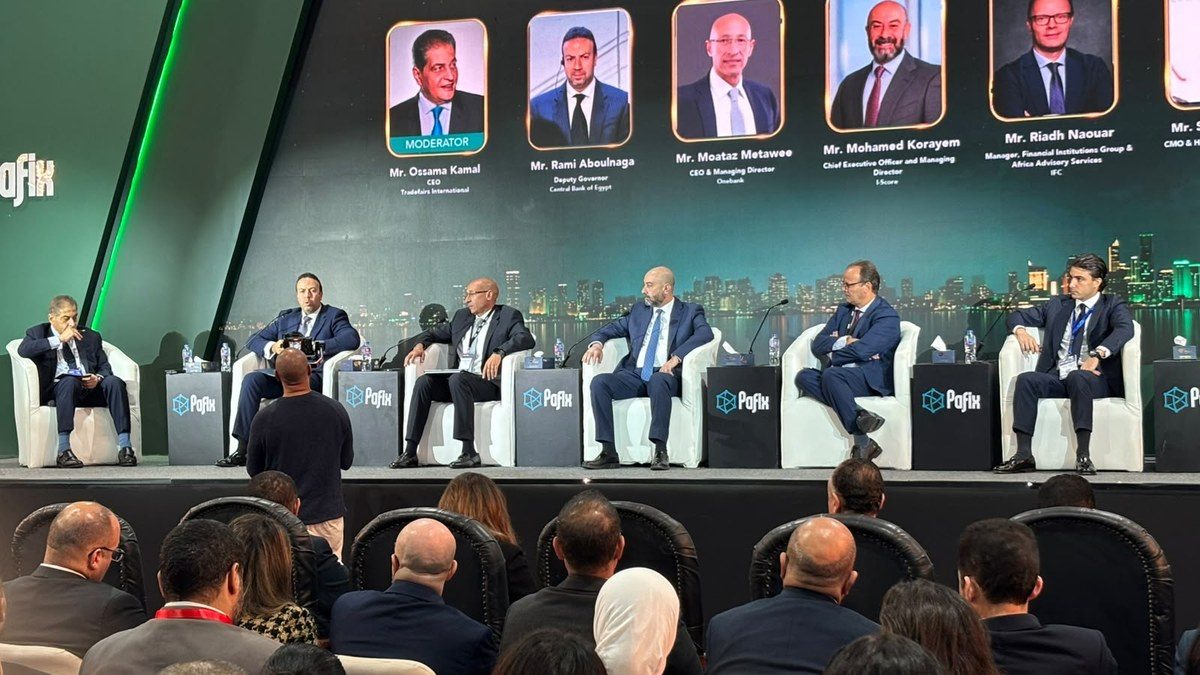
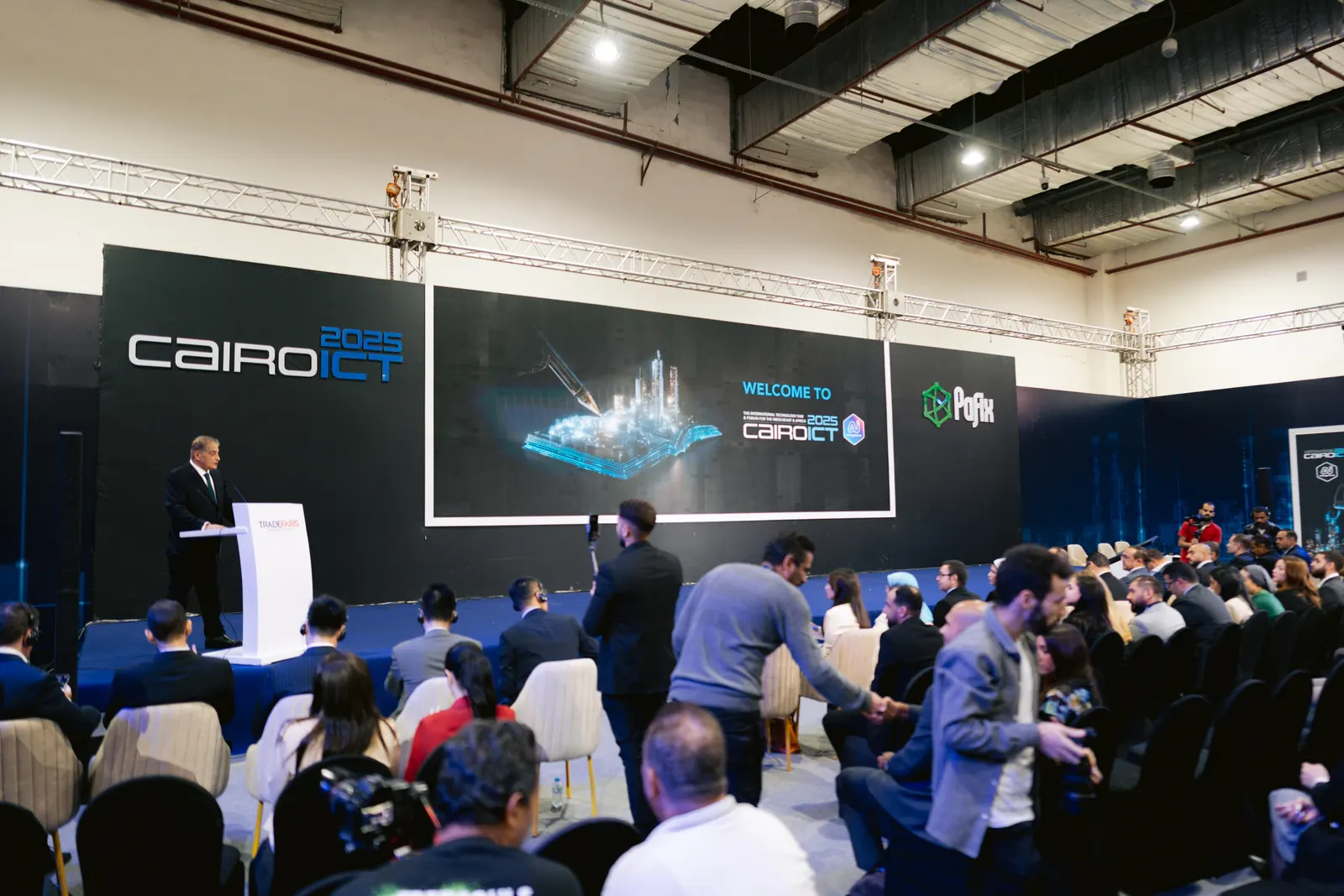
Network International is sponsoring Cairo ICT and PAFIX for the fifth year in a row. Dr. Helal said the two events matter because they bring together the regulators, banks, fintechs, telecom operators, merchants and government bodies that make up Egypt's digital economy. He said this year's theme, "AI in Action", fits the company's view that AI should deliver measurable results.
He described 2026 as the company's busiest year of launches in Egypt. In March, Network International enabled tokenisation for Apple Pay at four Egyptian banks at once, within the tokenisation framework set by the Central Bank of Egypt. With ADCB Egypt it deployed what it describes as the first AI-powered transaction fraud solution in the country, FICO Falcon Fraud Manager, which builds behavioural profiles and analyses transactions in real time. In May it signed with FABMISR for integrated card issuing and acquiring on its N-Genius platform. Earlier, it provided the payment functions behind Money Fellows' new offer.
Dr. Helal said Egypt is also where the company first launched its wallet, loyalty and fraud solutions before taking them to neighbouring countries such as Libya and Algeria. From its Egyptian hub it serves more than 190 banks and mobile network operators in Africa and more than 65 in the Middle East, and it supports the development of Meeza and local processing requirements. These steps build on the EGP 1 billion investment in Egypt that the company announced in 2023.
Looking ahead three to five years, he set out four priorities for Egypt: stronger infrastructure for card issuing, acceptance and processing; intelligence and security through AI fraud prevention, tokenisation, analytics and cybersecurity; wider acceptance among merchants of every size, especially small businesses; and new services developed responsibly with banks, fintechs and regulators.
Across Africa, Dr. Helal said the company is deepening its presence where it already has strong foundations, including Egypt, Kenya, Nigeria, Ghana and South Africa. By 2030, he expects no single technology to dominate. Instead, he sees what he called intelligent interoperability: AI, instant payments, tokenisation, digital identity and open standards working together. Cards, wallets and account-to-account payments will exist side by side, and the winner will be the infrastructure that makes all of them simple and secure for the customer.
Photo: ICT Business.