
Central Bank of Egypt Launches Cybersecurity Framework 2.0 at PAFIX
At PAFIX on 9 November, the Central Bank of Egypt launched version 2.0 of the Egyptian comprehensive cybersecurity framework and the second edition of its banking-sector cybersecurity strategy.
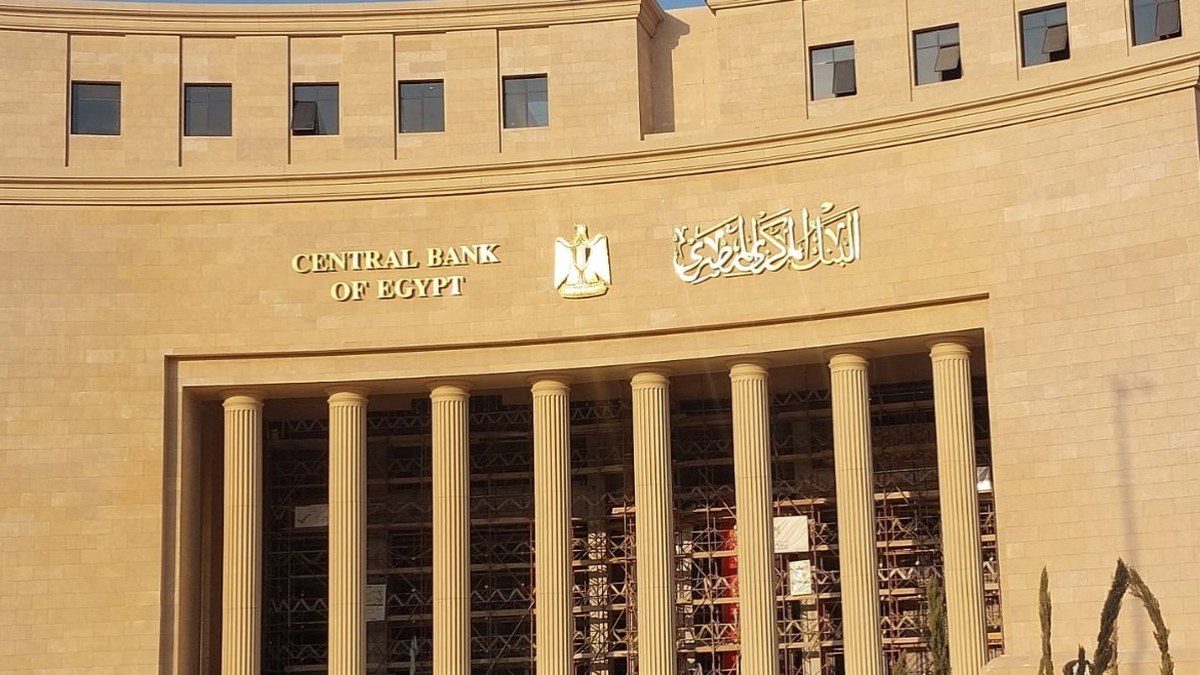
The Central Bank of Egypt has launched version 2.0 of the Egyptian comprehensive cybersecurity framework for the financial and banking sector, together with the second edition of its cybersecurity strategy for banks. The launch took place at PAFIX on Monday 9 November, in a Central Bank presentation in the Al Manara Cinema Hall at Cairo ICT 2026.
Mr. Tarek El Kholy, Deputy Governor of the Central Bank of Egypt, said the new version changes the philosophy of cyber supervision. Instead of standard checklists, banks will be assessed through a dynamic, multi-stage model based on the actual risks each institution faces, with controls linked to risk drivers so that investment matches the size of each business. The framework now contains 38 standards for measuring cyber readiness. The first version, launched in 2022, became a national reference used well beyond banking, he said.
Banks will receive a grace period to apply the new requirements, its length to be agreed and announced. The Central Bank's on-site supervision teams, working with information security specialists, will follow implementation and carry out field assessments. Mr. El Kholy stressed that the aim is corrective action and guidance, not penalties. He described current readiness as high but said it would be a mistake to stop there, because threats change every day.
Dr. Sherif Hazem, Sub-Governor Cyber Security at the Central Bank of Egypt, presented the banking-sector strategy and its six pillars. They include a sector maturity model for cyber readiness, known as CRM2, that measures people, processes and technology; Zero Trust Architecture version 2.0 and cyber resilience, with isolated, unchangeable backups to recover from ransomware; and a dynamic risk assessment method in five stages. The strategy also sets governance controls for AI, cloud, blockchain, the Internet of Things, operational systems and post-quantum cryptography, offers eight guidance models, and deepens integration with EG-FinCIRT, the financial sector's computer emergency response team.
Mr. El Kholy also announced that the Central Bank, with the Banking Sector Development Fund, is preparing a cyber-attack simulation environment where bank security teams can train in red and blue team exercises. A tender is being prepared, and the service will be free for banks once ready.
He said the Central Bank has received three applications for digital bank licences, and that Onebank is expected to begin operating shortly. That growth, he said, makes strong cybersecurity all the more important. He also called on banks to strengthen their information security teams, noting a shortage of specialists that affects the Central Bank itself, and said keeping that talent depends on a healthy working environment as well as pay.
Photo: ICT Business.